996 Work Culture

In today's newsletter:
- 996 work culture
- Simple system
- 1,000 rare apples
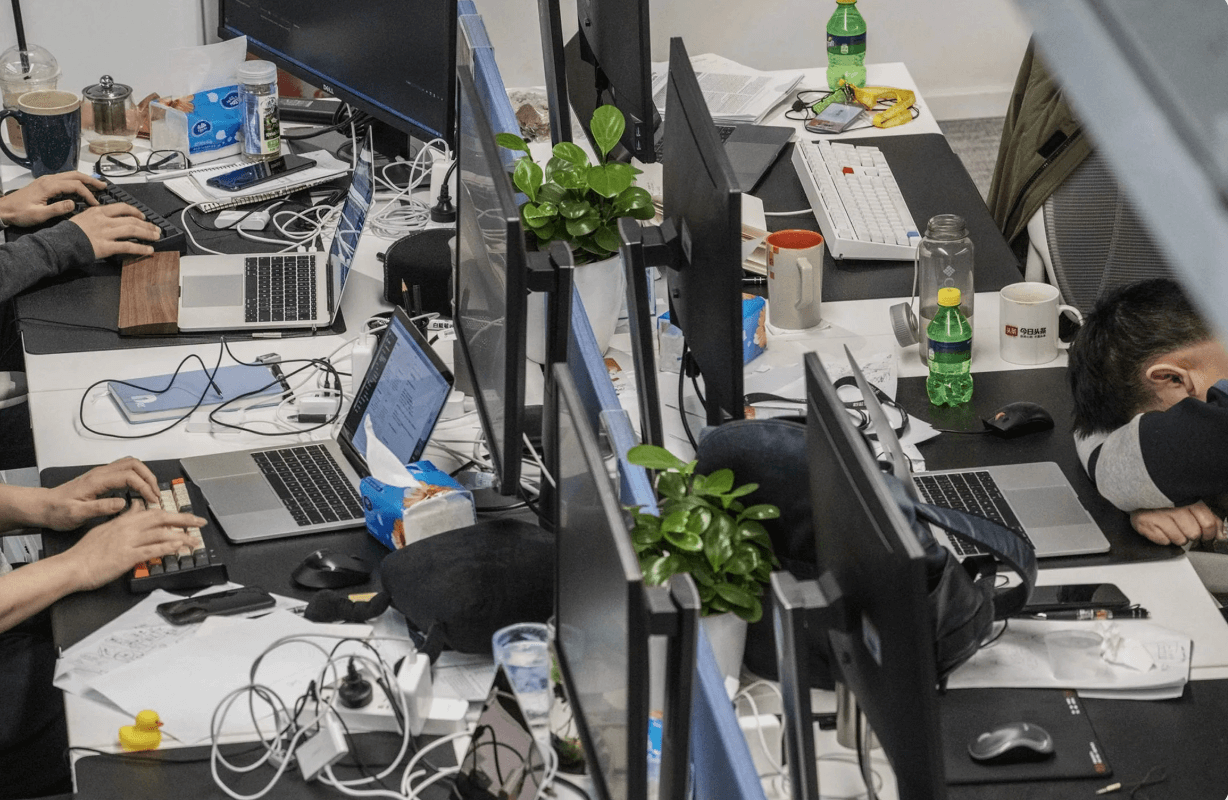
AI startups are quietly copying China’s 996 work culture: they’re working from 9 a.m. to 9 p.m., six days a week. It started in China’s tech boom. Now parts of the U.S. tech world are quietly copying it.
Small, venture-backed startups racing to beat OpenAI, Anthropic, Google DeepMind, and Meta are pushing extreme hours.
This pace directly increases heart attacks, strokes, depression, anxiety, diabetes, insomnia, chronic pain, and early death. Productivity drops after 50 hours, but burnout shows up months later, after the funding round, after the promotion, and after the damage.
Relationships shrink because life becomes work, sleep, and caffeine. Money and equity keep people quiet because everyone thinks the pain is temporary.
What are your thoughts on the 996 culture? Is it admirable ambition, or a price too high to pay for career progression and winning the AI race?
Simple System That Protects Your Sleep, Energy, and Wallet
If sunlight floods your room at 6 a.m., your sleep gets ruined, your AC works overtime, and your bill jumps. Smart blinds fix this by managing light automatically.
High performers don’t rely on willpower for basics; they use systems that work even when they forget.
Living manually costs more than you think. Forget to close the blinds? You waste energy. Too much light or heat? Your focus drops.
Automated shades adjust on their own, keeping your home cooler and protecting privacy at night.
If you already automate food, navigation, and communication, automating light is one of the smartest upgrades you can make to everyday life.
1,000 Rare Apples
A hundred years ago, we grew thousands of different apples for eating, baking, cider, even digestion. Then mass farming took over. We lost flavor and diversity. No one noticed because the shelves stayed full.
Researchers proved this by digging through old farm records and catalogs and finding apples most people alive today have never tasted.
These apples vanished because they weren’t profitable at scale, so apple historians like John Bunker went looking for the last living trees, sometimes in some old woman’s backyard, and saved them. Nonprofits like Seed Savers Exchange now protect over 1,000 rare apples as living food.
These apples are often higher in fiber, richer in antioxidants, and way more intense in flavor, but they bruise easily and don’t ship well. You can still get them today from small orchards and farmers’ markets.
How much of our health, food, money, and choice did we quietly give up just to make everything faster and cheaper?
Disclaimer: This newsletter is for informational purposes only. Details may change or come from third-party sources; always do your own research and consult a qualified professional before making decisions.