Bitterness Is Intelligence

In today's newsletter:
- Bitterness is intelligence
- Stop counting losses, count survivals
- You don’t need more discipline, you need better light
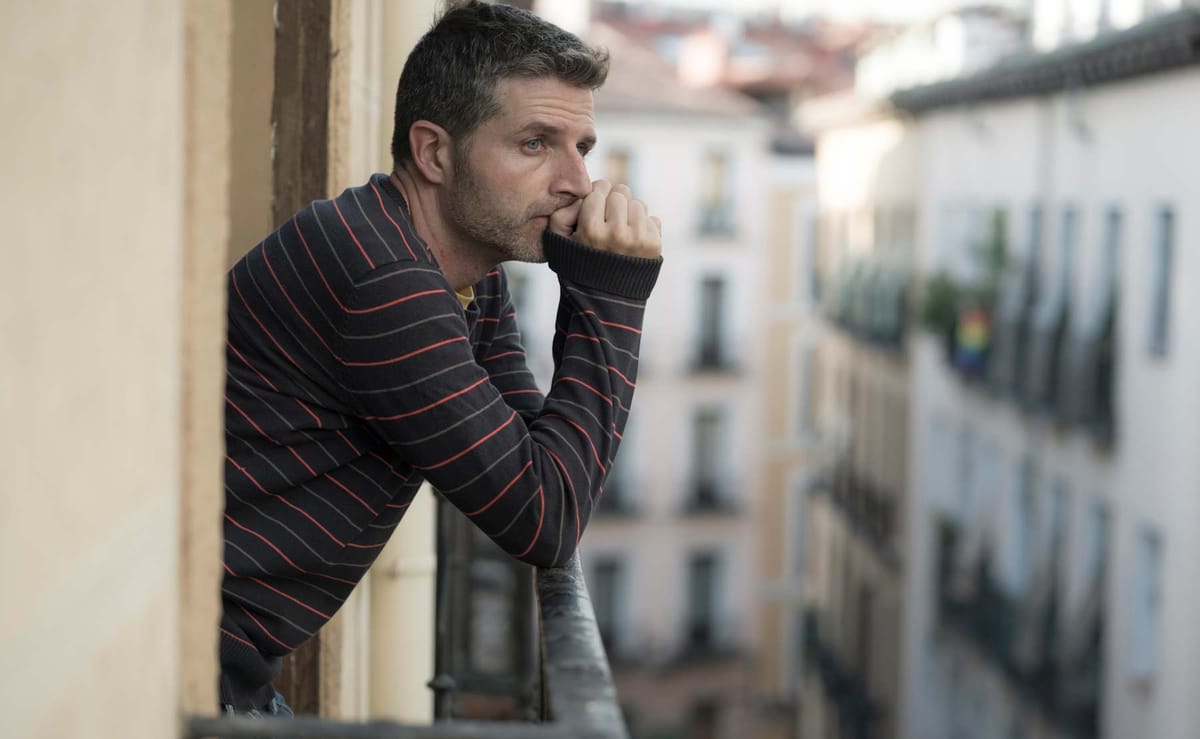
Bitterness is not you being toxic or negative. It's your brain doing math after something went wrong and no one fixed it. It shows up when effort didn’t equal reward, when rules changed mid-game, when you were honest and still lost.
Calling bitterness a flaw is like calling pain moral failing.
It’s information, it means you noticed something real. People who never feel bitter are usually people who never risked anything that mattered.
The problem isn’t bitterness, it's where it goes. If you shove it down, it leaks out as sickness, burnout, sarcasm, or self-hate. If you dump it online, it turns into noise and gets you labeled angry. But if you redirect it, into boundaries, into better rules for your life, into refusing bad deals, into quiet exits, it becomes power.
The kind that stops you from being fooled again.
Stop Counting Losses, Count Survivals
Most people are slowly breaking their own mind and don’t even know it. Every day they replay what they lost: the job, the money, the body, the chance, or the old life. They count it again and again like a bad habit. That’s loss tracking; it quietly trains your brain to believe one lie: everything is gone.
Your nervous system doesn’t hear facts; it hears danger. So the more you count losses, the more your body stays in panic. This is why people say, “I should be over it by now.” But feel worse each month.
Survival is the real metric. Did you wake up? Did you eat? Did you not quit on yourself today? That COUNTS.
When you track survival, your brain gets new proof: I am still here. That single shift lowers fear, restores energy, and slowly gives you power back. It’s not positive thinking, it’s biology.
Loss counting makes you feel broken. Survival tracking reminds you that something in you is still working, even after everything burned.
You Don’t Need More Discipline; You Need Better Light
Light from a window shapes how your brain feels. Bright natural light tells your body it’s time to be awake: improving focus, mood, and energy. Dim or badly timed light does the opposite, making you feel sluggish or stuck.
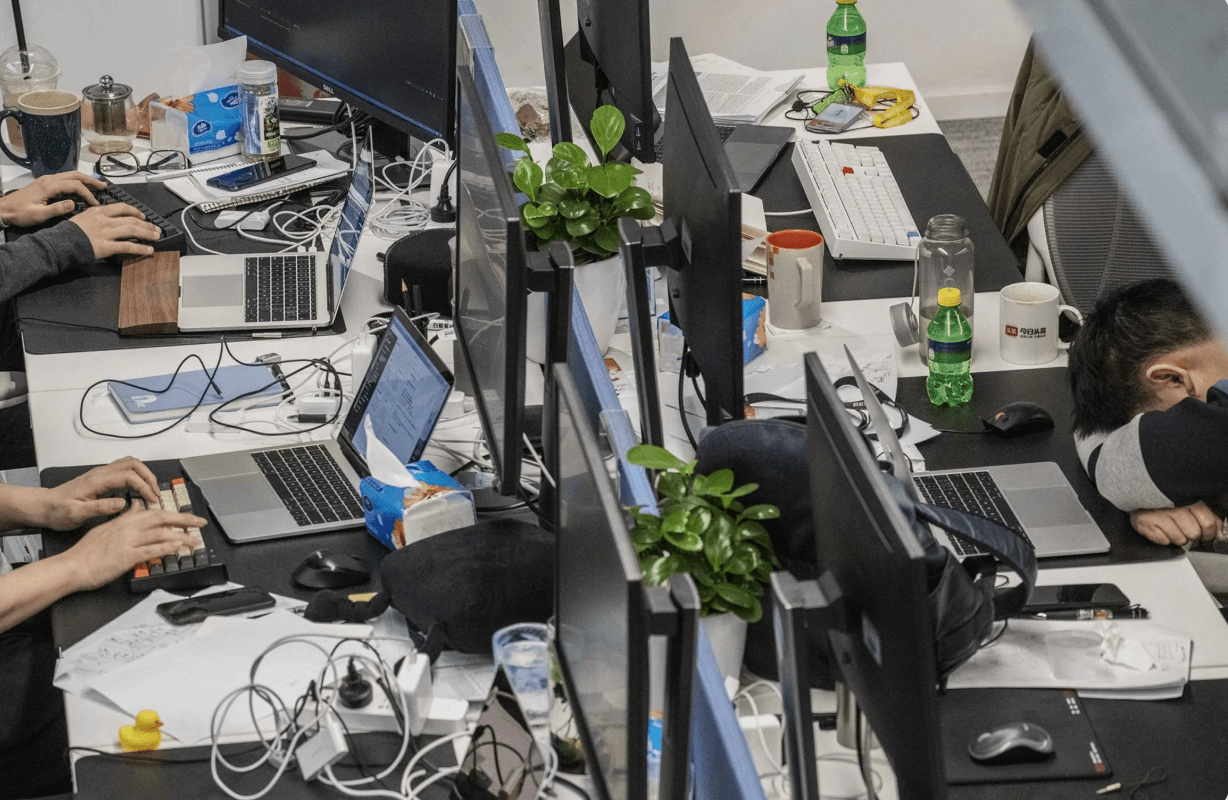
Poor daylight makes people feel worse. Dark offices lower mood and productivity, and sun-starved homes can quietly increase anxiety and sadness.
This is why smart shades matter: they work with your body. They open with morning light and close before glare or nighttime light, helping sleep, mood, and energy automatically.
Some people call that lazy. Neuroscience calls it smart design. If light controls your hormones, automating it isn’t indulgent, it’s leverage.
Haven’t automated your blinds yet? Try RYSE.
Disclaimer: This newsletter is for informational purposes only. Details may change or come from third-party sources; always do your own research and consult a qualified professional before making decisions.