Bulletproof, Huh?
In today's issue:
- Coffee tweak becomes a multimillion-dollar movement.
- Next wave of tech from RYSE, a Robotics and AI startup.
- Something better than sugar for long periods of thinking and working.
Bulletproof
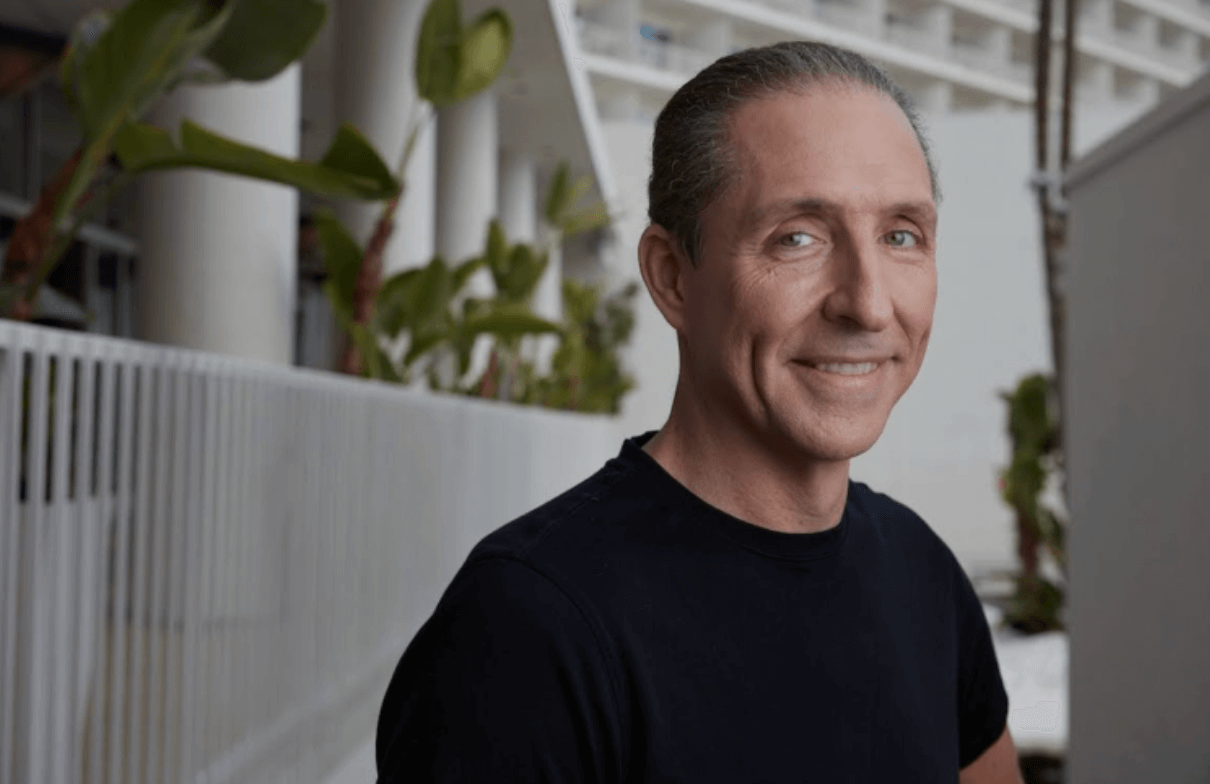
In the early 2010s, tech-preneur Dave Asprey claimed that by changing what he ate and drank in the morning, he could work for 6 to 8 hours straight without feeling hungry.
He could sit down to work and stay there without fighting distractions or willpower. What made this story controversial, though, was the simplicity behind it; just coffee, butter, and refined coconut oil called MCT Oil.
Nutritionists and doctors said Dave was just feeling the normal effects of caffeine and mistook hunger alertness for super-human focus. And dietitians called it a Silicon Valley gimmick. I mean, where were the clinical trials?
But comments on Hacker News, Reddit, and Dave’s own blog told a different story, coming from devs, founders, VCs, writers, and people experimenting.
Some were saying, “Normally, I get distracted every hour. Today I sat down and just worked. Looked up and it was six hours later.”
Others were saying, “Breakfast used to slow me down; now I just drink coffee with fat and get into execution mode immediately.”
And more were saying, “My thoughts felt cleaner. Less mental noise.”
In all honesty, though, it didn’t work for everyone. But enough high-performing people experienced something real that the story refused to die.
Today, Dave Asprey is widely considered the Father of Biohacking, and he grew his experiment into a multimillion-dollar business called Bulletproof. Selling coffee, MCT oil, supplements, content, events, and books.
Between you and me, is there a feature in your product that feels too simple to matter, yet your customers love it, and it could quietly turn into a multimillion-dollar opportunity if you focused on it this quarter?
The Next Robotics and AI Opportunity*
The next wave of tech isn’t about more screens. It’s moving into the real world with AI-powered devices that automate everyday life inside homes and buildings.
One massive category is still untouched: window shades.
There are billions of them, and most are still manual. That gap is the opportunity, and RYSE is built to fill it.
The last smart-home wave delivered 10× to 22× returns for early investors. RYSE shows similar early signals with over $15M in revenue, more than 100% yearly growth, and 10 issued patents protecting the space.
RYSE is pre-IPO with a reserved Nasdaq ticker, offering multiple potential exit paths in a market that’s only getting started.
If you want more exposure to AI and robotics in the physical world, this is the entry point.
Join their pre-IPO round at just $2.35 per share.
*Sponsored by RYSE.
What Is MCT Oil Anyways?
MCT stands for medium-chain triglycerides, so MCT Oils are fats made of shorter fat molecules that the body can digest and use much faster. It's a type of fat from coconuts that the body quickly turns into energy.
It gives the brain a cleaner, more efficient fuel than sugar and makes long periods of thinking and working feel easier than they should.
In the 1950s and 60s, hospital researchers noticed that certain fats didn’t behave like normal food.
Instead of being slowly digested, stored, and burned later, these fats rushed straight from the gut to the liver. There, they were rapidly turned into ketones, an alternative fuel the brain can run on when sugar is low.
Doctors first used MCTs in medical care because they were easy energy, so fragile patients could absorb them when other foods failed.
Decades later, Dave Asprey ran into this forgotten metabolic shortcut while trying to find something that could help him think clearly and work longer without crashing or losing focus.
He noticed that sugar made his brain spike and crash, of course. And normal fats were too slow, but MCT oil felt different. So coffee plus MCTs silenced hunger and improved focus.
But truth be told, MCT oil doesn’t make the brain stronger. It makes it less dependent on sugar. When the brain isn’t bouncing between sugar highs and crashes, it needs less fuel, focus feels easier, and work feels lighter.
That’s why people love it. Not because it turns them into geniuses, but because when thinking and working don’t break every hour, they get more done faster.
So it’s not a miracle; it’s a metabolic hack discovered in hospitals, and ignored for decades.
This should make you wonder, "What forgotten hack in my industry could my team and I innovate this quarter to improve our product and blow up revenue?"
Disclaimer: This newsletter is for informational purposes only. Details may change or come from third-party sources, so always do your own research and consult a qualified professional before making decisions.