Immortal By 2039

In today's newsletter:
- Tech centi-millionaire wants to make humans immortal by 2039.
- How to automate cordless window blinds without ruining the design.
- Fast, cheap, repeatable, and everywhere: Lessons from the invention of fast food.
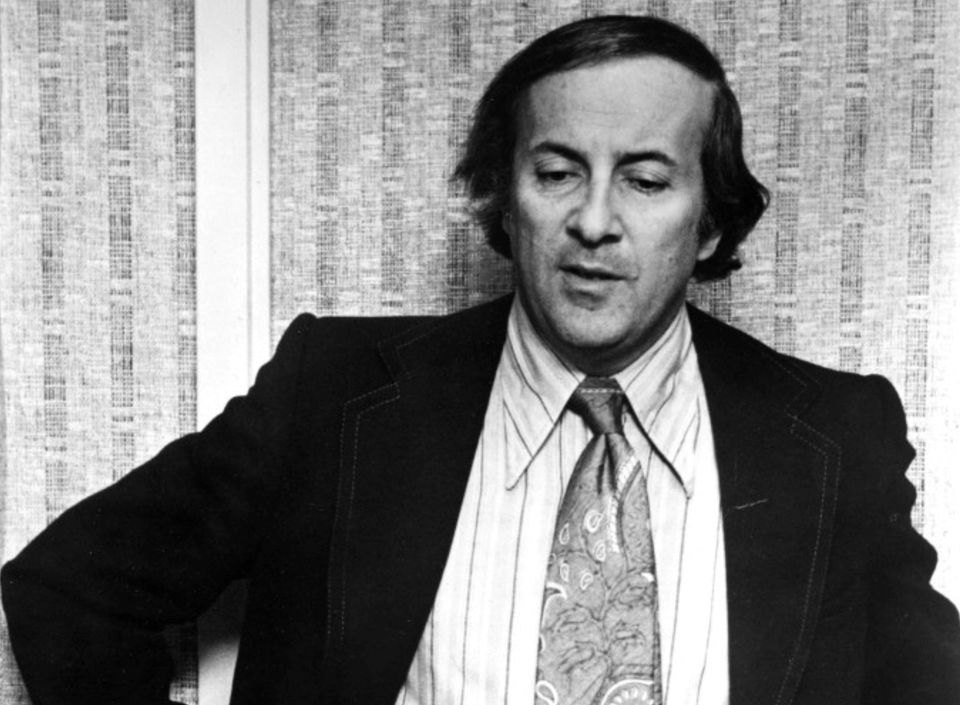
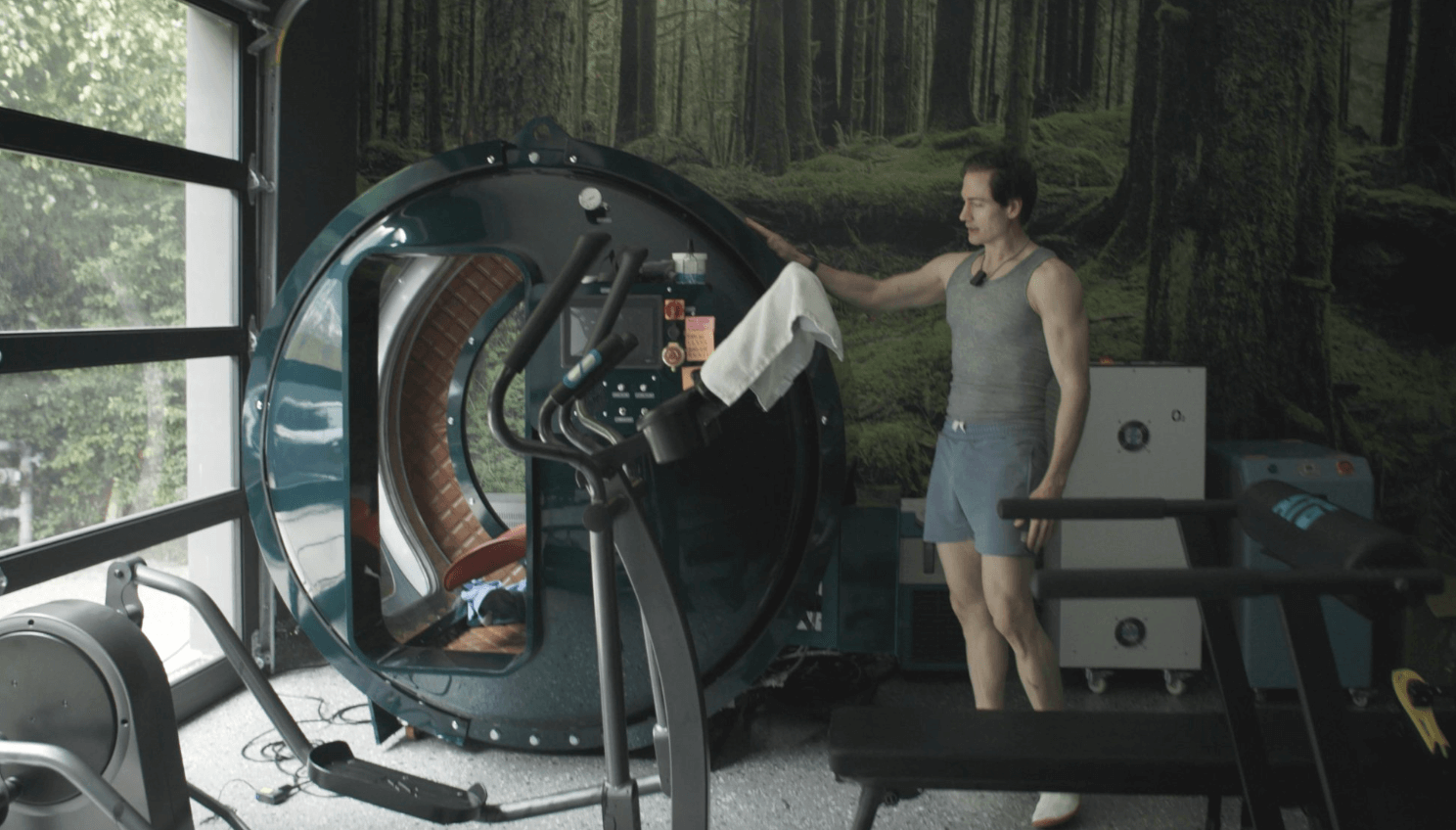
Tech centi-millionaire, Bryan Johnson, plans to make humans immortal by 2039. He already spends $2 million a year testing on himself: Organ scans every day, 61 pills, thousands of organ clones, last meal at 11 am, and bed at 8:30 pm.
While most of us plan for retirement, he is planning for the next 200 years. Using AI, extreme discipline, and nonstop measurement to attack a problem everyone else assumes is permanent.
The rest of us don’t need to chase immortality to steal the lesson.
CEOs, founders, and team leads win by questioning what everyone else accepts. By treating limits as assumptions, not laws. Measuring what matters, cutting noise, running experiments fast, and acting before the roadmap is clear.
The edge is not better motivation, it’s better questions.
So, what improbable thing in your business are you quietly treating as unfixable?
How to Automate Cordless Window Blinds Without Ruining the Design*
Most window blinds sold today are cordless, and yet no one has automated them.
It's a massive market hiding in plain sight because everyone assumes it's unimportant, until one team decided to question this assumption.
They tried all kinds of ideas, even little robots that climb the window. What finally worked was surprisingly simple: A stiff tape that moves the blind smoothly and quietly without being seen.
The blind looks the same; it’s just smarter now.
Clear takeaway: The biggest wins often sit behind the problems people stopped trying to solve.
From RYSE*
Lessons From The Invention of Fast Food
Fast food wasn’t invented by a chef; it emerged from a system.
The Romans sold hot meals on the street, factory cities needed workers fed fast, White Castle made burgers identical, and McDonald’s finished the job by turning the kitchen into a factory, creating fewer choices, faster hands, and the same taste every single time.
Then the ingredients changed: Real fats were replaced with seed oils, sugar crept into everything, portions grew because bigger was cheaper, addictive, and easy to scale.
Fast food didn’t win because we suddenly got lazy or lost discipline. It won because it was engineered to be fast, cheap, repeatable, and everywhere.
The same rule applies to work, teams, and products. We don’t get what we want; we get what our system makes easy. If speed beats quality, speed will win. If convenience beats health, convenience takes over.
Design the system carefully, or it will quietly design you.
Disclaimer: This newsletter is for informational purposes only. Details may change or come from third-party sources; always do your own research and consult a qualified professional before making decisions.