One Doctor vs. the Entire Food System
In today's issue:
- One doctor turned mockery into a food empire.
- Can your window shades get smart?
- What if the biggest breakthroughs start as accidents that everyone ignores?
One Doctor vs. the Entire Food System
In the late 1960s, something felt off.
America was getting heavier, sicker, more exhausted, and constantly hungry, even though everyone was cutting fat, eating less, and doing everything they were told.
But if the rules actually worked, this shouldn’t have been happening.
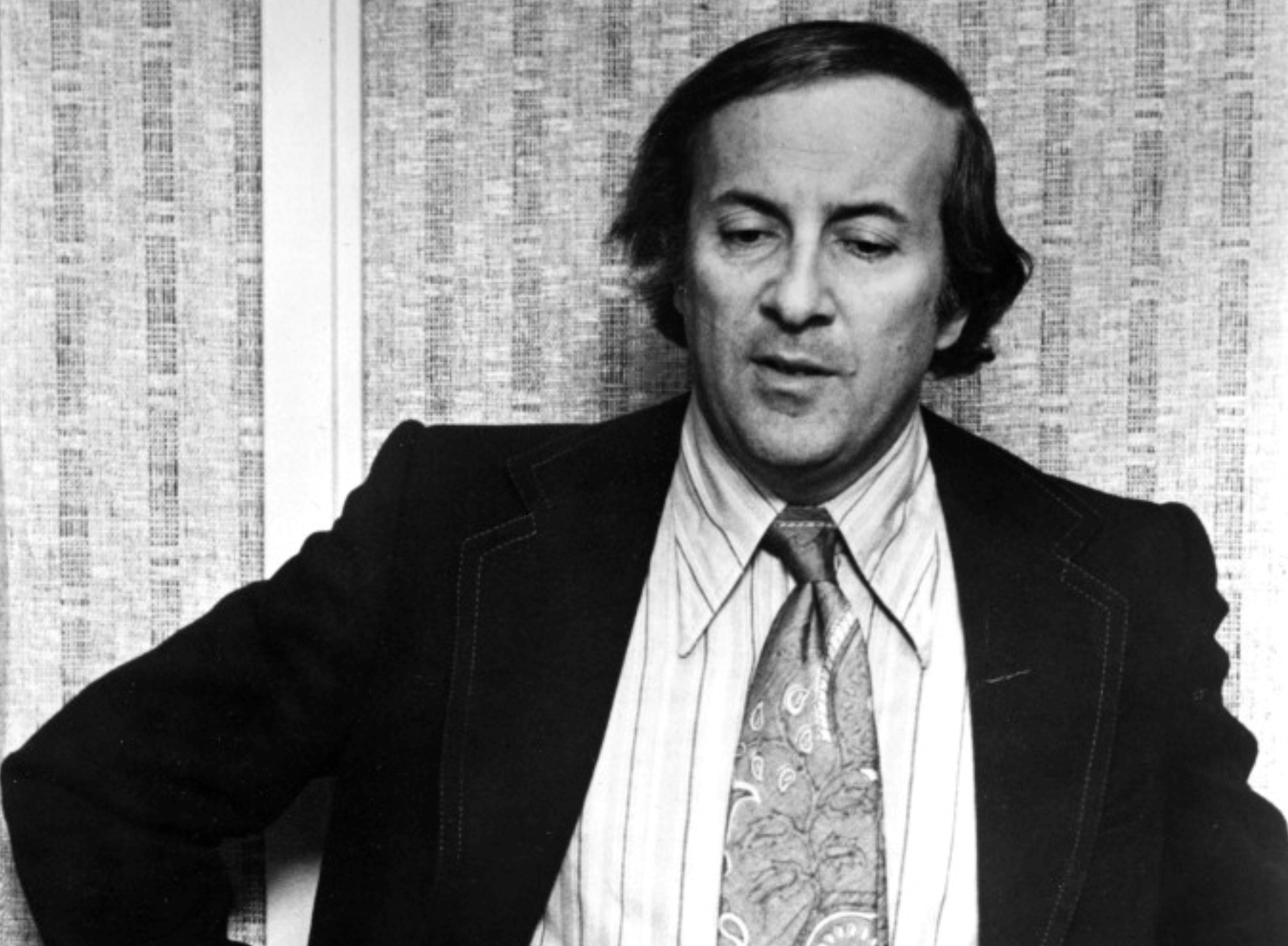
That’s when Robert Atkins, a cardiologist in New York, started seeing something he couldn’t ignore. His patients followed the playbook perfectly and still failed. But the moment sugar and starch disappeared, weird things happened.
Hunger chilled out, weight dropped, and blood numbers cleaned up fast.
Atkins didn’t jump on TV or start a movement. He tested it quietly, patient by patient. Then in 1972, he risked his own career by telling the public to eat steak, eggs, butter, and bacon. "Stop counting calories." He said.
"The issue isn't overeating; it's carbs." He added.
And just like that, he became public enemy number one.
The response was savage: Doctors roasted him on TV, nutrition authorities called him dangerous, and headlines painted him as reckless. He got investigated, laughed at, and pushed to the edge. The message was clear: Fall in line or disappear.
Now, while experts argued on talk shows, our grandparents tried it anyway. And it worked. At first quietly, then everywhere. Weight came off, blood sugar levels improved, and hunger stopped being the boss. But Atkins didn’t just victory lap, though; he went harder.
Instead of asking for permission, he built a food company. Atkins Nutritionals went from books to grocery stores. Bars, shakes, and frozen meals. Whole supermarket aisles rearranged themselves around a word most people barely thought about before, carbs.
Labels and shopping habits changed.
At its peak, the business pulled in hundreds of millions a year, not because experts agreed, but because our grandparents felt better in their own bodies.
Insulin resistance, a concept that used to live in medical journals and specialist circles, went mainstream. Low-carb stopped sounding crazy, and science started catching up to what our grandparents already knew from experience. The same system that mocked him slowly absorbed his ideas and moved on like nothing ever happened.
"How is this relevant today?" Did I hear you ask?
Well, it’s the start of 2026, so this story should mess with you a little. Atkins didn’t win by being polite or safe. He won by being early, getting dragged publicly, and staying put until reality backed him up.
In your company, your team, or your own work, what do you see that doesn’t match the official story? And when people laugh, will you back off, or will you stay long enough for the world to catch up?
Tech Worth Lookin' Into*
Google paid $3.2B for Nest, and Amazon dropped over $1B on Ring. Those weren’t random flexes; they were bets that massively paid off.
And now Apple is jumping into the AI smart home race, too. Face ID locks, home hubs, and screens everywhere. These giants are sprinting toward a $158B smart home market.
But one massive category is still wide open: Window shades.
Yeah, the most boring thing in your house is also one of the biggest sleeping opportunities. Think about it, apartments, offices, hotels, and many other buildings, combined, these are billions of windows, and somehow, no one owns this space yet.
Until RYSE showed up, they figured out how to turn almost any regular shade or blind into a smart one in minutes. No replacing windows, and no construction. It's patented tech that just works.
They’ve got 10 granted patents, $15M+ in lifetime revenue, and 200% year-over-year growth.
Ring made doorbells cool, Nest made thermostats obvious in hindsight, and RYSE is doing that for window shades.
In a world where Big Tech keeps buying boring hardware and turning it into billion-dollar platforms, this feels like the exact kind of company that gets scooped up next.
Is this worth investing in for you?
*Sponsored by RYSE.
Business Lessons from An Accidental Discovery
In the early 1900s, doctors were out of options. Kids with severe epilepsy were having dozens of seizures a day, and there were basically no working drugs. Parents were desperate, and doctors were guessing.
Then something strange kept happening: When some of these kids didn’t eat for a few days because of illness, medical procedures, or plain hospital screwups, the seizures didn’t get better. They completely stopped.
But when food came back, the seizures came back too. At first, doctors thought it was a coincidence. Then it happened again, and again. Same pattern, hunger was doing something medicine couldn’t.
By 1911, doctors were intentionally fasting children with epilepsy. It worked; seizures dropped hard. But there was a problem, you can’t starve a child forever and keep them alive.
So in 1921, Russell Wilder, a doctor at the Mayo Clinic, connected the dots. He understood that fasting worked because sugar disappeared, insulin dropped, ketones showed up, and the brain switched fuel.
He asked a wild question at the time, "What if we could make the body think it's fasting while still feeding the patient?"
He did it by cutting carbs almost completely, pushing fat way up, and keeping protein just high enough to survive. The kids were eating, but metabolically, they were fasting. Seizures became way less frequent, and some stopped entirely.
Just like that, the ketogenic diet was born.
It had one fatal flaw, though: You couldn’t patent it, package it, or sell not eating sugar. So when epilepsy drugs arrived, keto got pushed aside, even though it kept working. But it survived quietly in hospitals for drug-resistant epilepsy for nearly a century.
Now here's what this tells me, and let me know if you notice the same thing:
Most big breakthroughs don’t start as grand visions; they start as accidents. Something breaks, something feels off, or a result shows up that shouldn’t exist, and most people ignore it and move on.
What accidental discovery have you been sleeping on?
Disclaimer: This newsletter is for informational purposes only. Details may change or come from third-party sources, so always do your own research and consult a qualified professional before making decisions.