The New Pyramid
Today we’re covering:
- RFK Jr's new food pyramid.
- RYSE’s demo day.
- The Gruen Transfer: learn it, use it.
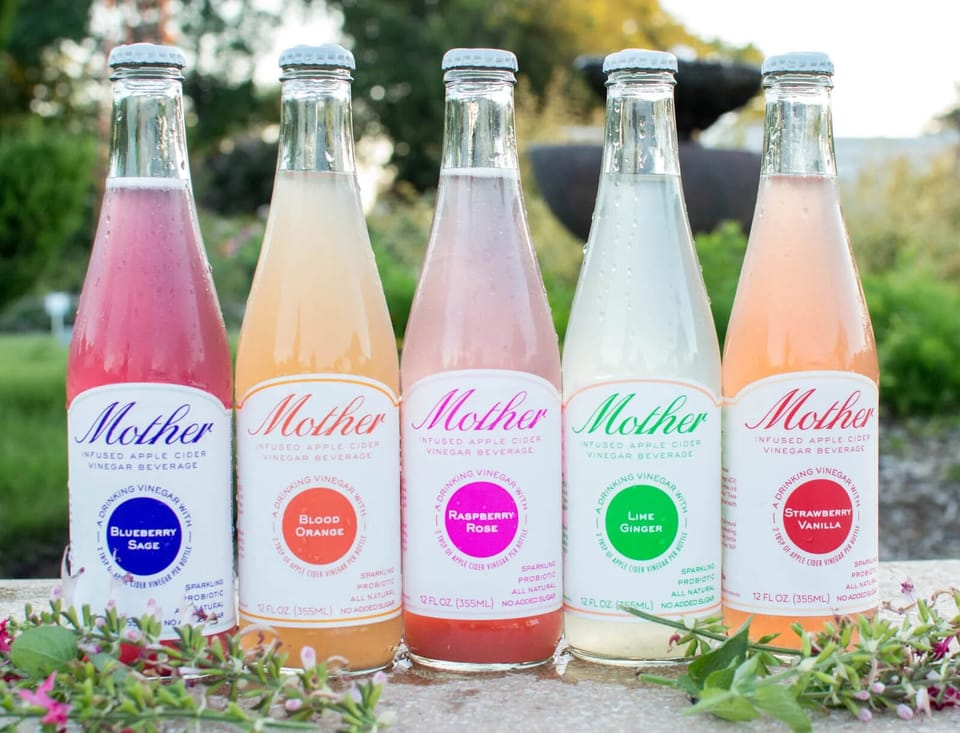
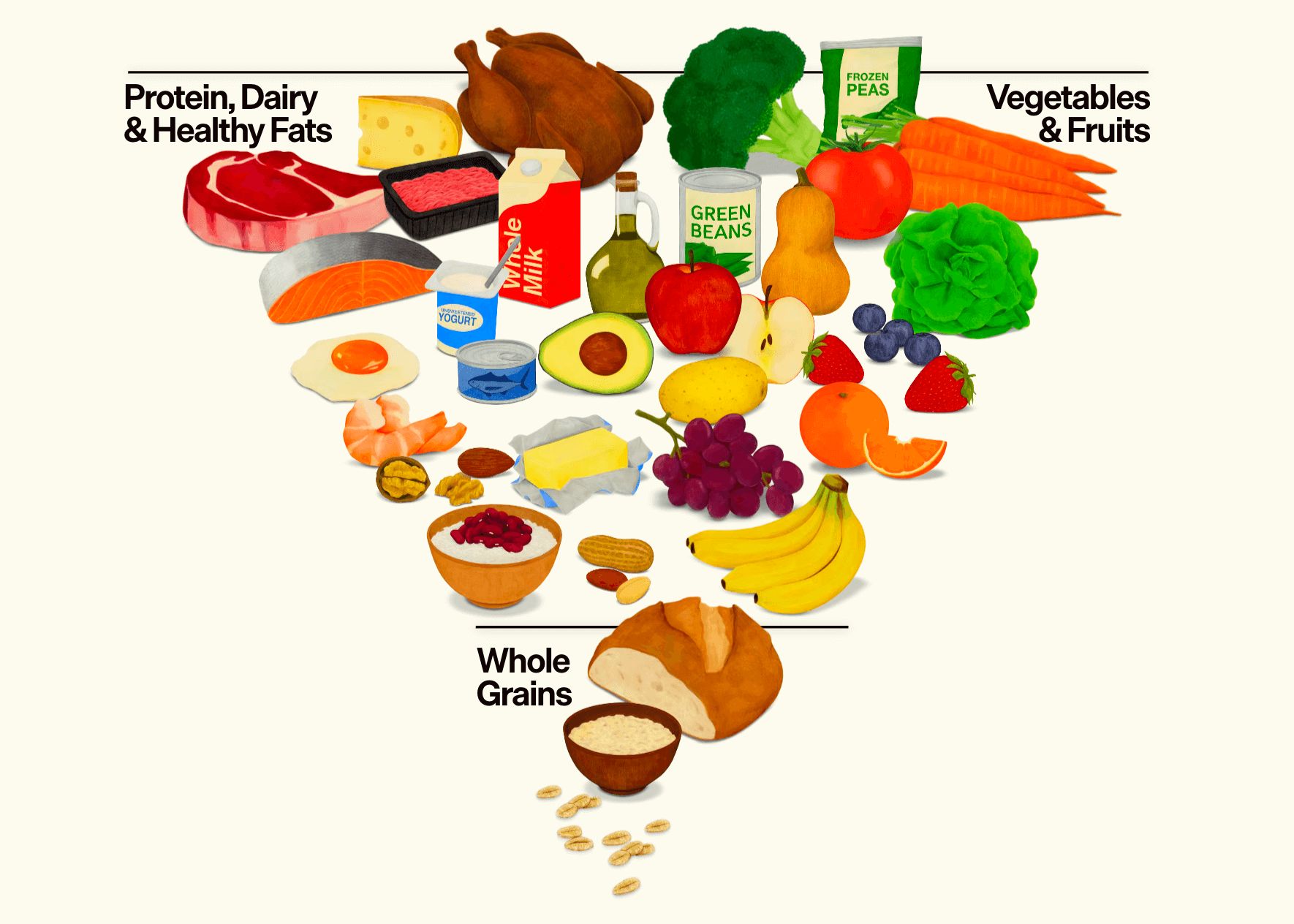
This week, the US dropped new dietary guidelines under RFK Jr.’s Make America Healthy Again push. Same goal as always, better health, but a very different tone: Less sugar, fewer ultraprocessed foods, and way more protein. Full-fat dairy is back, olive oil is in, butter and even beef tallow get a nod.
The message is clear: eat real food.
No more two drinks for men, one for women. Dr. Oz basically said don’t drink in the morning. Keep it social, not habitual.
For most of us, this is a productivity policy disguised as food advice. More protein, fewer sugar spikes, and less junk. That means steadier energy, fewer crashes, and better focus.
If we take this seriously in January, it can quietly set the tone for the entire year. Fewer sick days, fewer foggy afternoons, and fewer 3 pm bailouts.
From The Attendees*
I was at RYSE’s Demo Day, and the reaction was instant. People weren’t nodding politely. They were stopping mid-sentence and saying stuff like, “That’s super cool.”
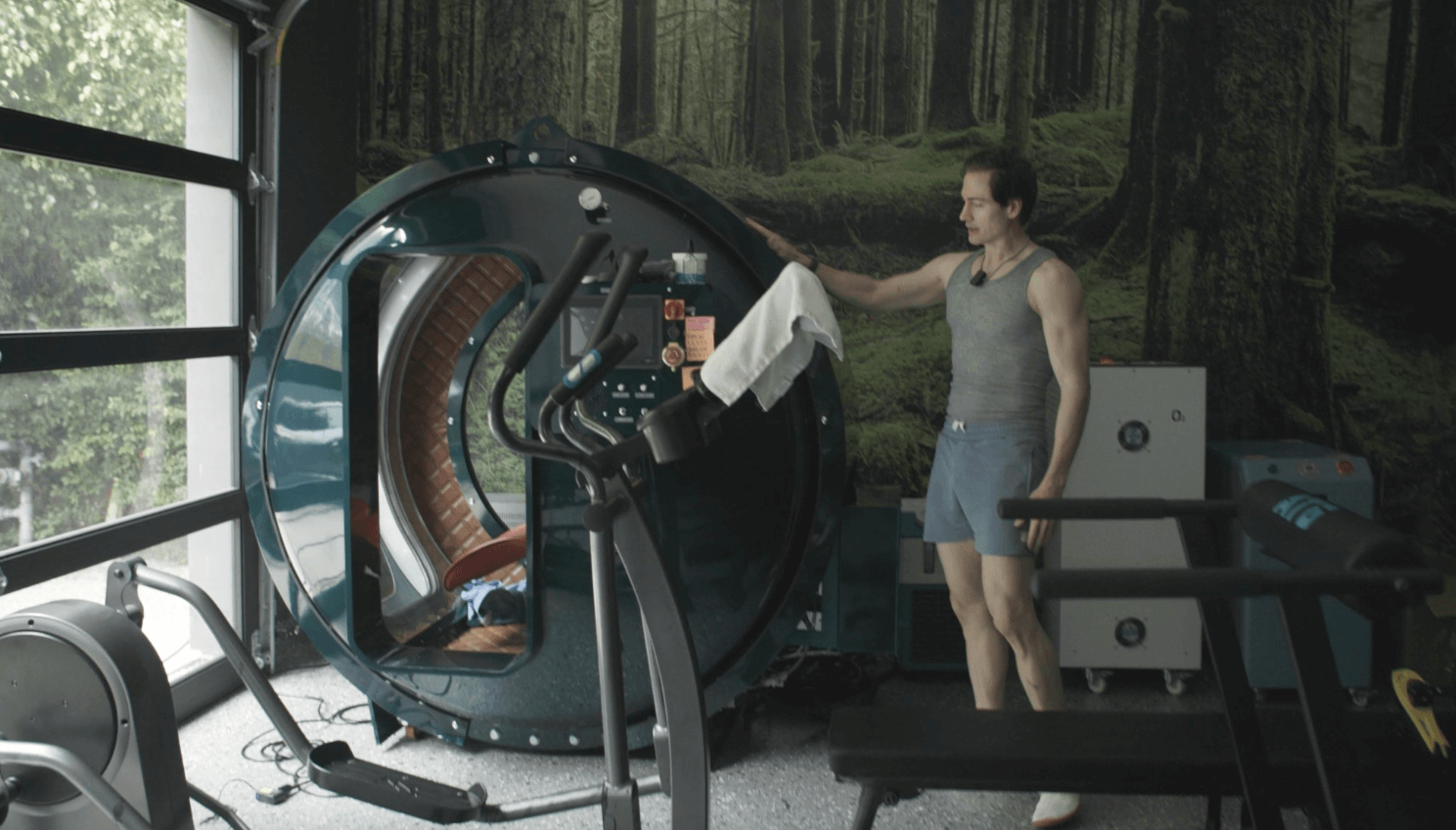
RYSE is smart window automation. Shades that open with sunrise, close at sunset, and move on their own without you thinking about it. One guest said their favorite feature was waking up with the room already lit. Another said the automatic curtains changed how their whole office feels.
What got people excited wasn’t the gadget; it was the feeling that the space works for you instead of against you.
For founders, CEOs, and team leads, this is the quiet productivity play everyone ignores. Environment matters, light matters, and reducing mental load matters. If your space can automate itself, your brain can focus on harder problems.
*Sponsored by RYSE.
Gruen Transfer: Learn it, Use it
Did you know there’s a name for the moment you walk into a store for one thing and walk out with five?
It’s called the Gruen Transfer.
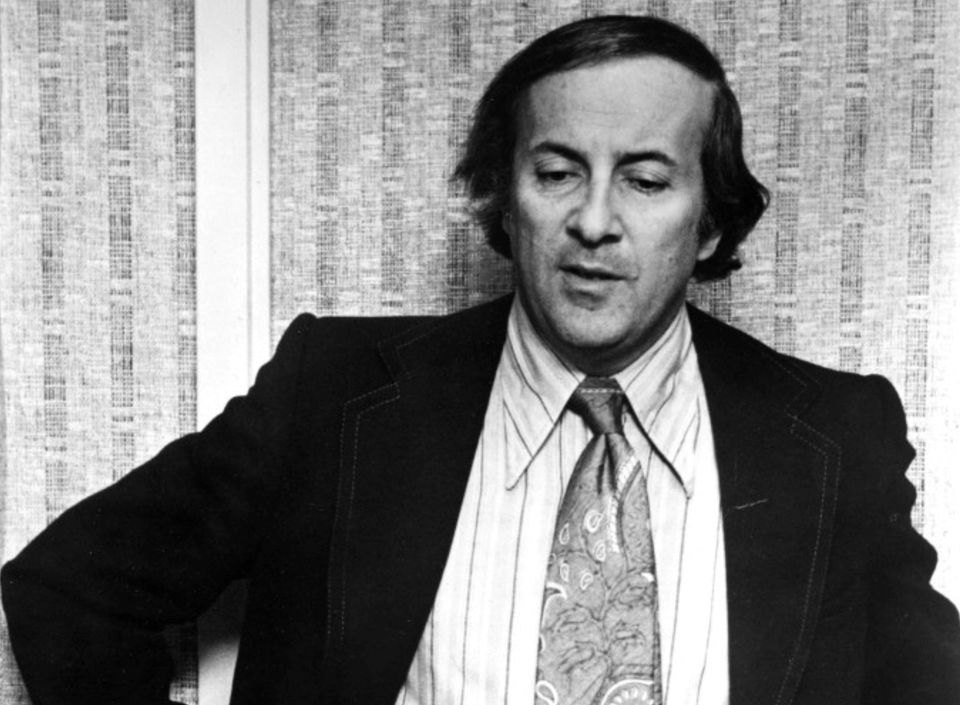
It started in the 50s with an architect named Victor Gruen, he designed early shopping malls to feel human and welcoming. Soft lighting, open spaces, and easy flow. His goal was community, not consumption. But retailers noticed something unexpected. People forgot why they came in, they slowed down, browsed, and bought more.
IKEA mastered it: You come for a desk, leave with candles, meatballs, and a plant you didn’t plan on buying.
The best products do the same thing: They gently move users from task mode to exploration mode. You open Notion to write one note, and suddenly, you’re building systems.
The lesson for CEOs, founders, and builders is simple. Stop asking only how fast someone can finish a task; start asking what makes them want to stay. What makes them click one more thing?
Disclaimer: This newsletter is for informational purposes only. Details may change or come from third-party sources; always do your own research and consult a qualified professional before making decisions.